






Grande École Program
2nd year
The second year of the Grande École Program marks a significant step up in academic and professional development. Students move from an introductory approach to one of in-depth analysis, operational management, and strategic thinking.
They develop their ability to address complex problems, leverage advanced data, structure research approaches, and support organizational transformation. This year also strengthens their managerial skills and their ability to unite teams around common goals.
CURRICULUM
Program
The academic year is structured around major academic and professional projects.
A complex problem analysis seminar draws on several disciplines within management science. Students conduct a comprehensive business diagnosis and develop a strategic, cross-disciplinary understanding of economic, organizational, and managerial challenges.
A research project is a key academic component: defining a problem, developing a methodology, and structuring a preliminary thesis. This work introduces students to the scientific rigor expected in the Master’s program and develops analytical and argumentation skills. The program also incorporates organizational transformation projects, strategic market analyses, dashboard development, and budget management. These practical exercises allow students to connect strategic vision with operational performance.
The managerial dimension is strengthened through collaborative work, leadership simulations, and professional communication exercises, particularly in English. Professional English is developed through the production of strategic documents, committee simulations, business pitches, and role-playing.
Focus on Initial Training
In the second year, students follow the programme as full-time students. Professional immersion is built not through work-study but through an active and demanding pedagogy, based on applied projects, managerial simulations and real-world scenarios.
This format allows students to focus fully on developing both academic and professional skills: analytical rigour, a managerial mindset, mastery of performance management tools and the ability to deliver well-argued strategic recommendations.
A company internship rounds out this experience. It provides a key opportunity to put the year’s learning into practice, build autonomy and a sense of responsibility, and consolidate a professional positioning — whether heading into the job market or continuing studies.
Skills blocks developed
Key modules of the year
Highlights
Professional projects
During my second year in the Grande Ecole Program, I had the opportunity to spend a semester abroad in Seville, Spain: a real highlight of the program and a great reason to choose ISTEC if, like me, you want to travel. Thanks to this semester, I discovered more about myself while also exploring a new country, its culture, and its people. Learning the language was easier, and I quickly improved my level. This experience was very enriching!
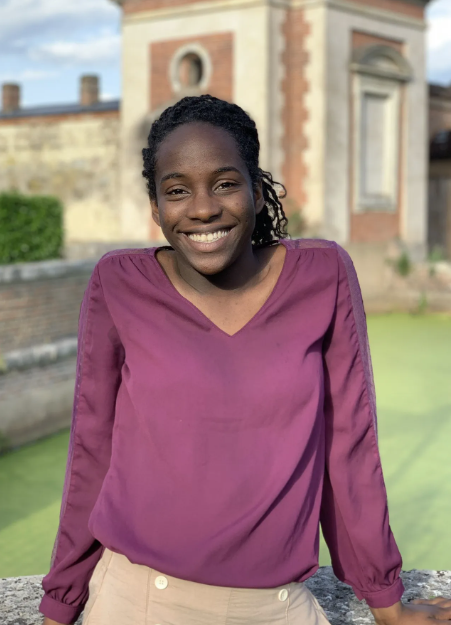
During my second year, I had the opportunity to spend a semester in Berlin. I discovered the amazing open-mindedness of Berliners and an exceptional city in terms of culture and history. I then had the chance to get involved in a student council list. It was a valuable professional experience through organizing events and finding sponsors. I also took advantage of my internship to go to Vietnam, teaching French in a primary and secondary school. I discovered a new culture and had an unforgettable time with the children. An incredible life experience!